Uncategorized 4 December 2025

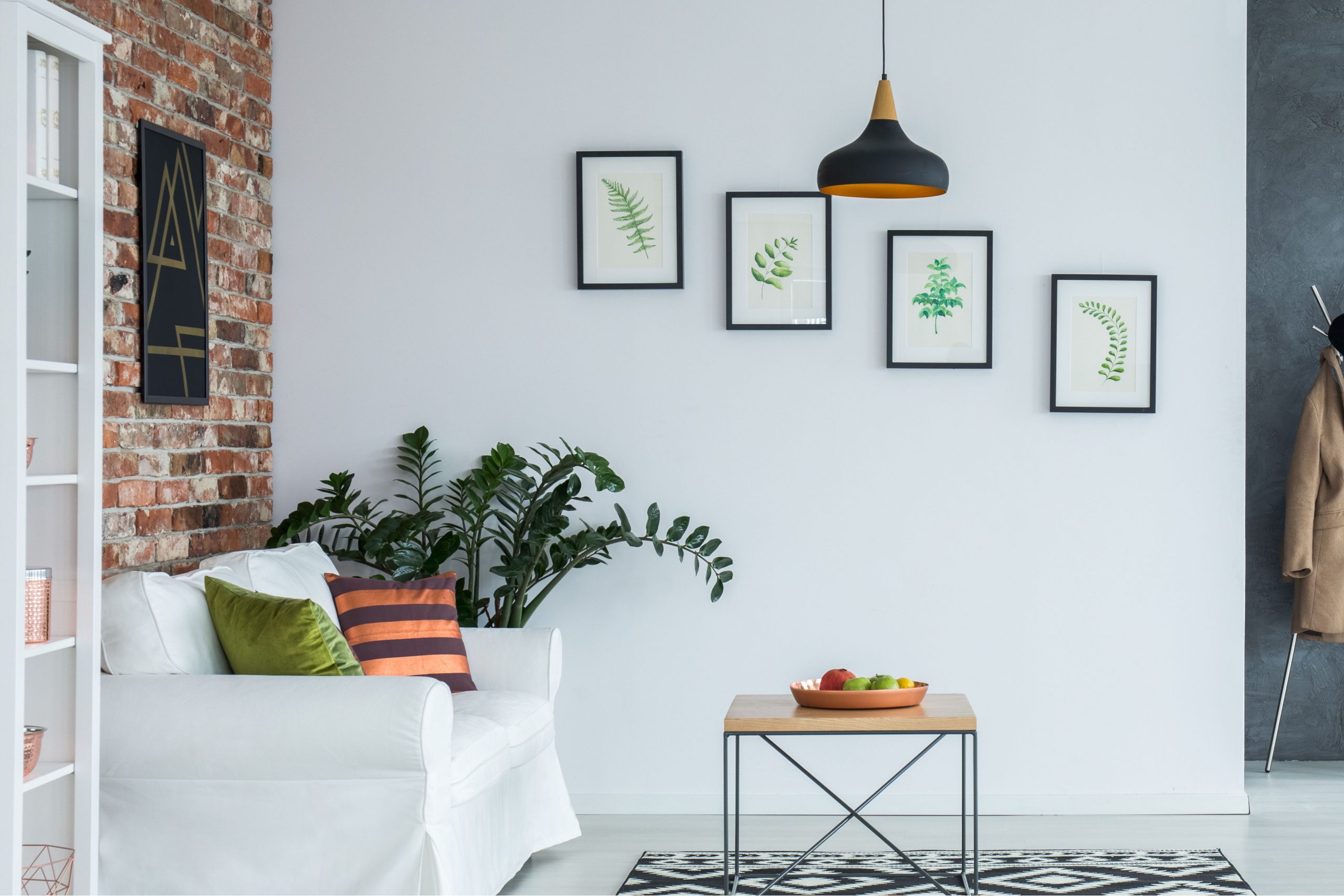
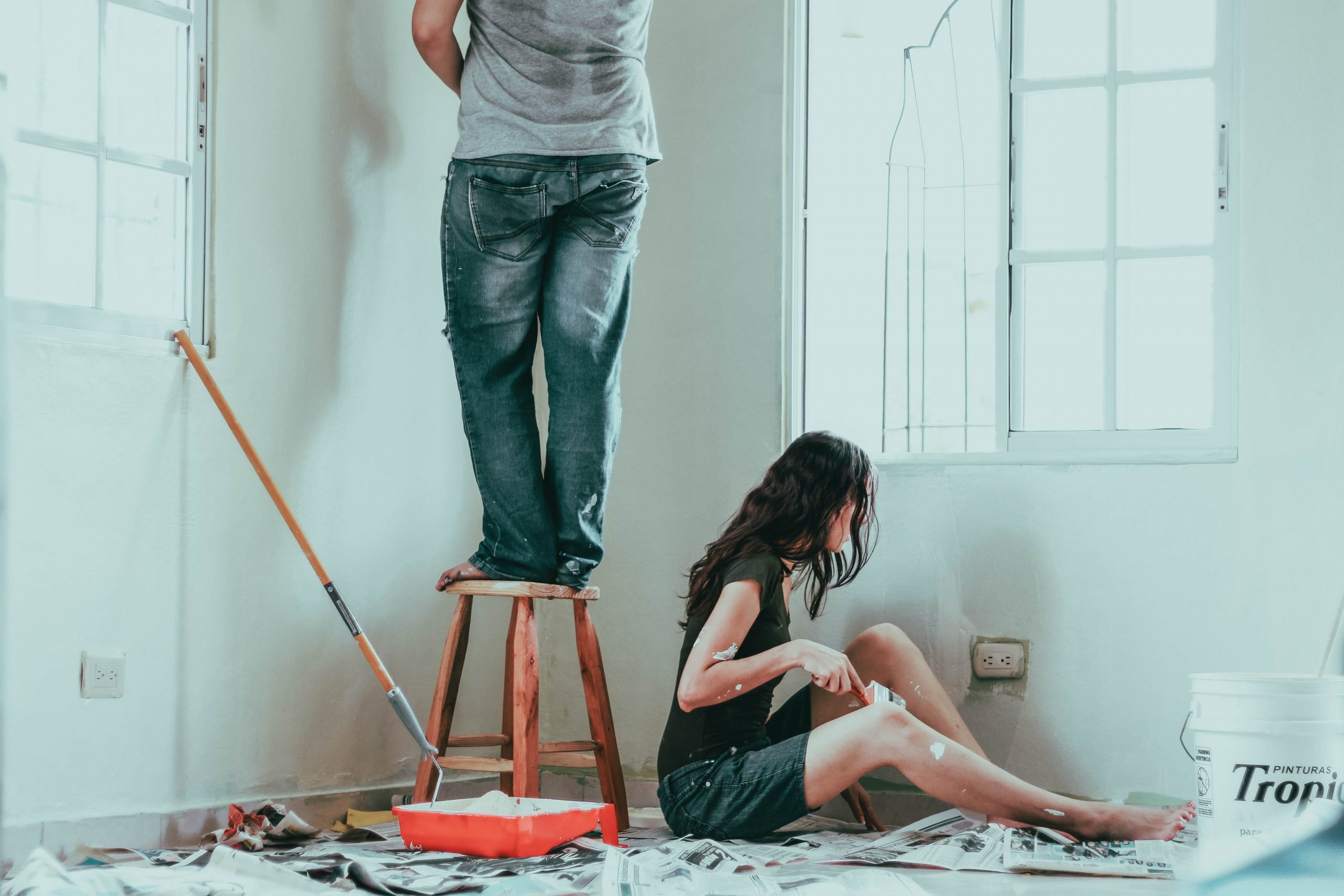
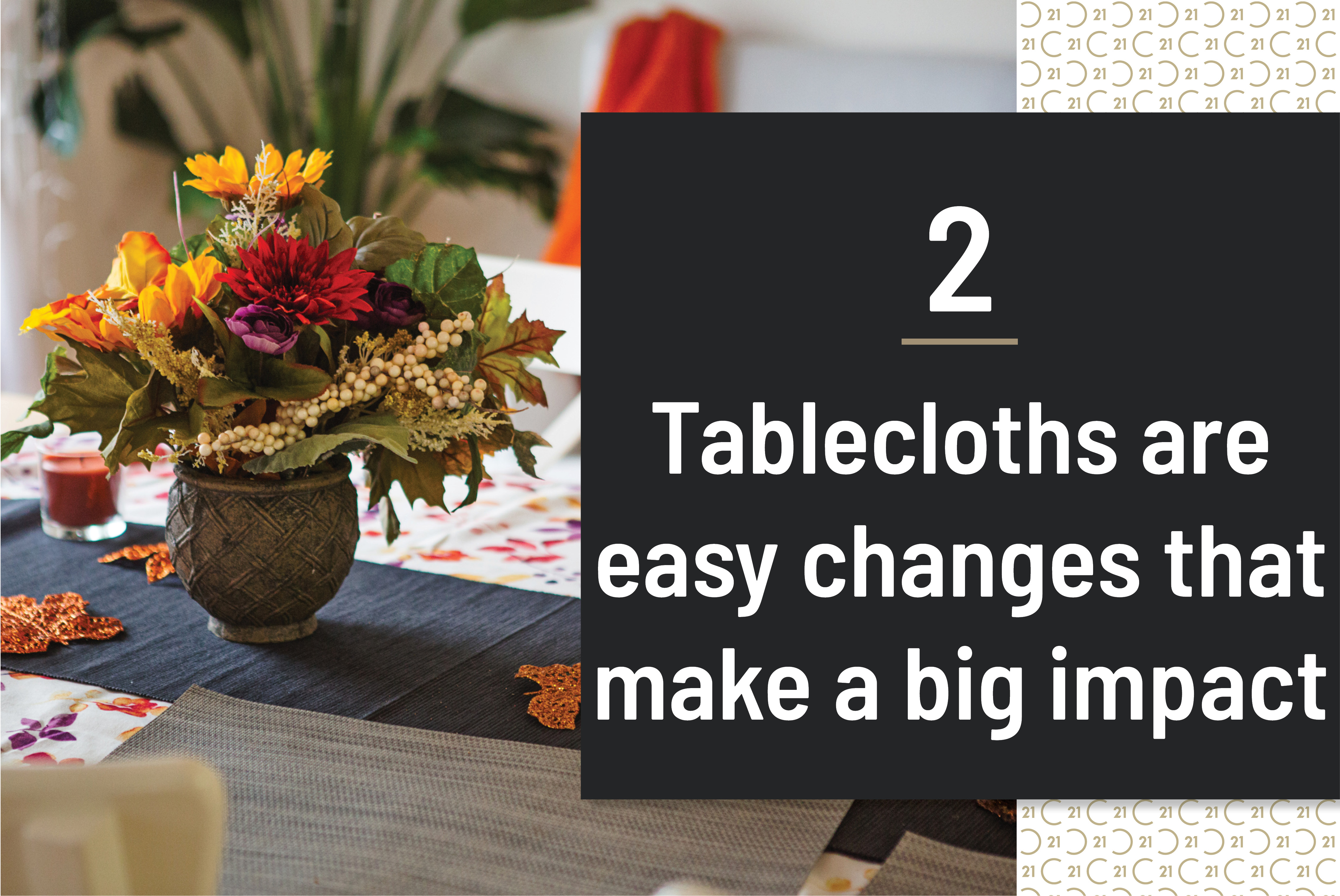
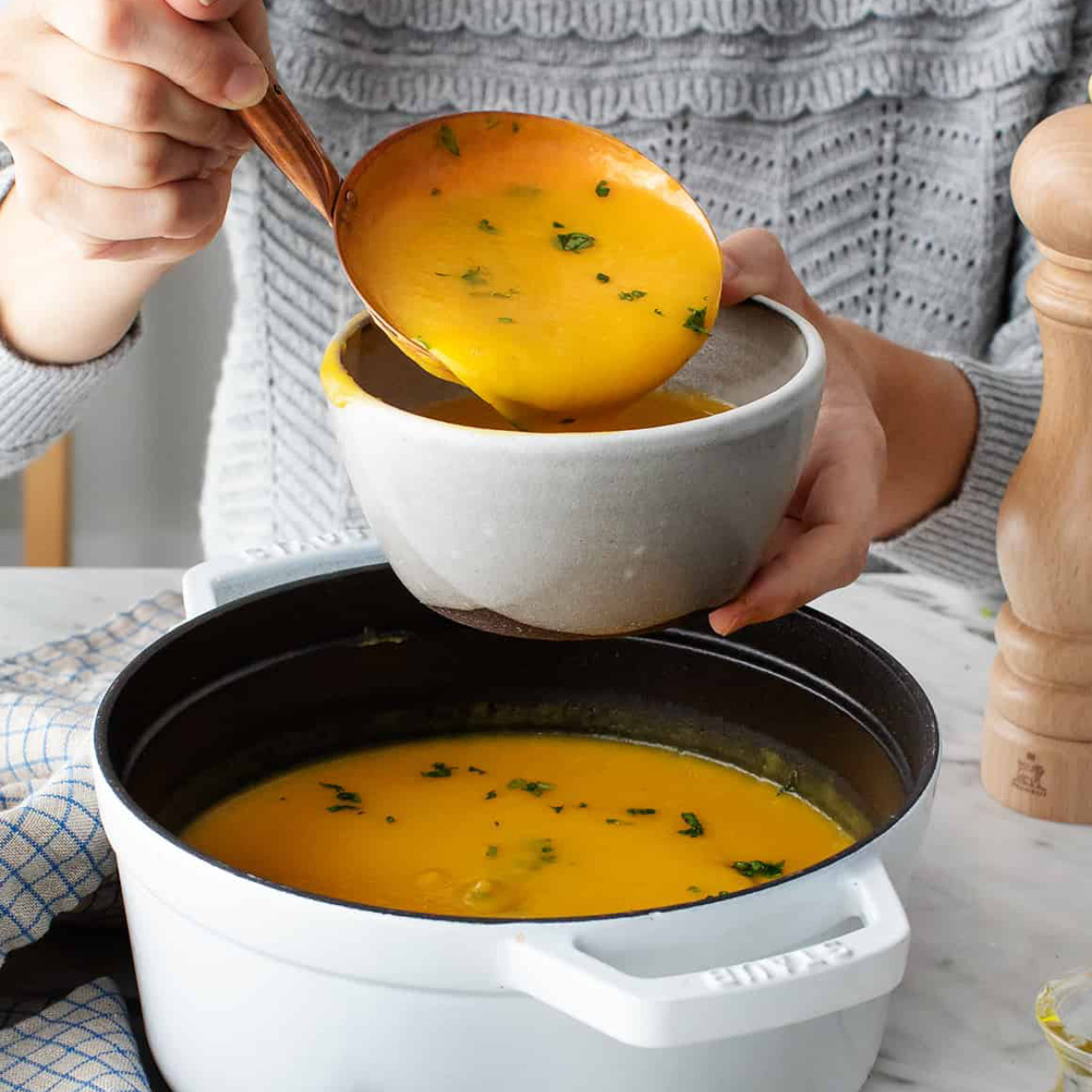
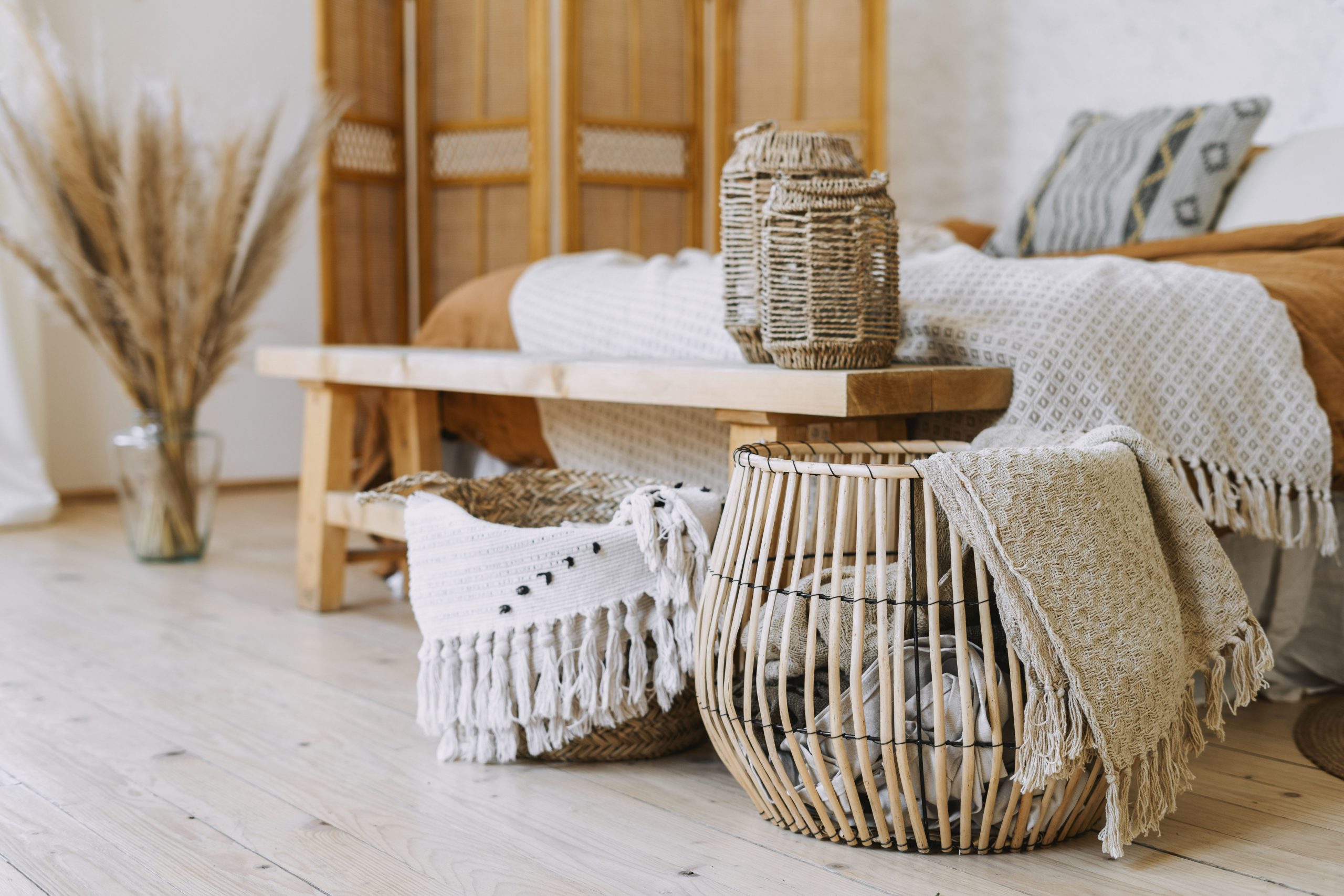
Easy ways to switch over your seasonal decor

Uncategorized 27 October 2025

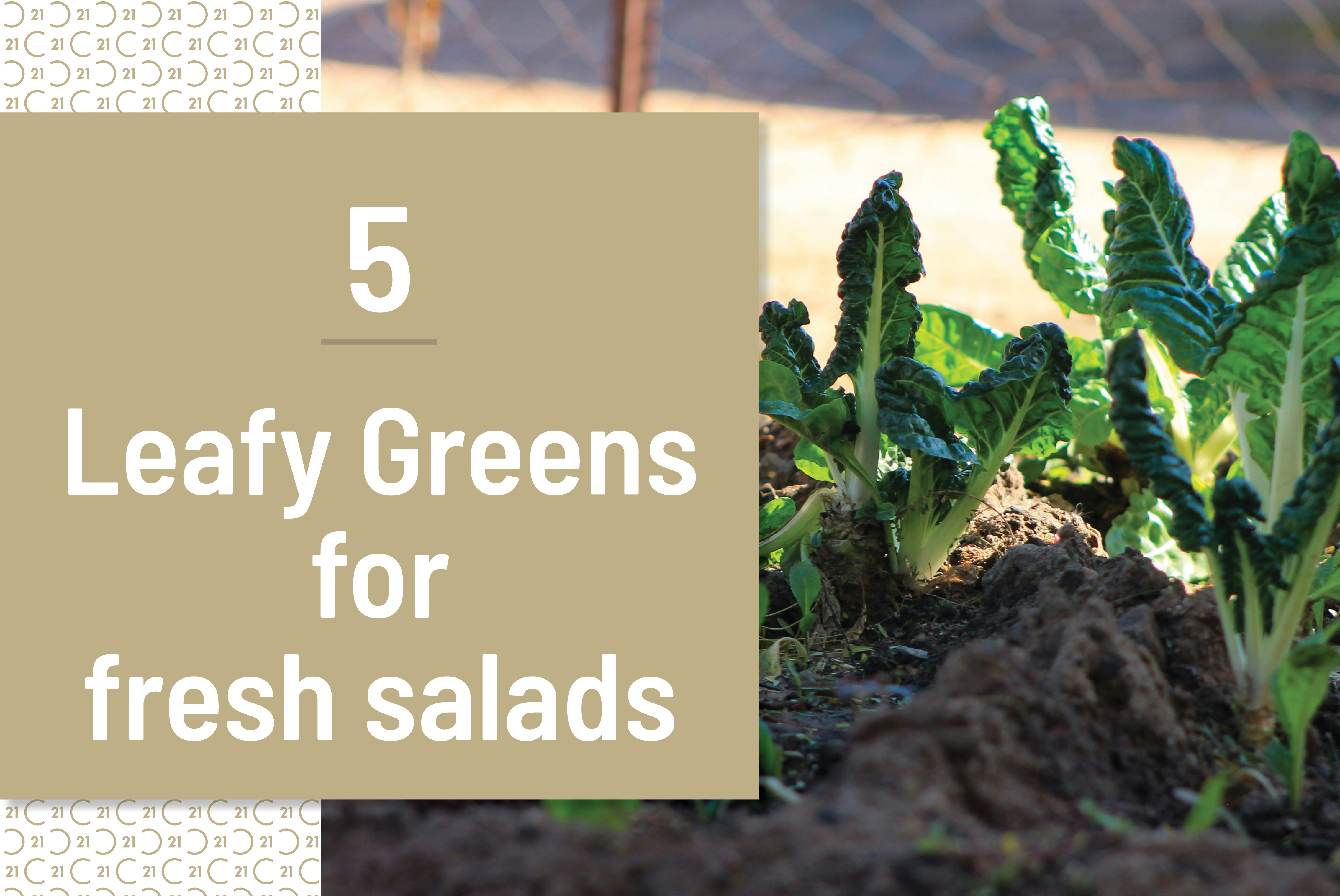
What to plant in October for a blooming spring garden ​

Uncategorized 27 October 2025

Hacks to Make Your Morning Routine Faster Than Ever

Uncategorized 25 August 2025

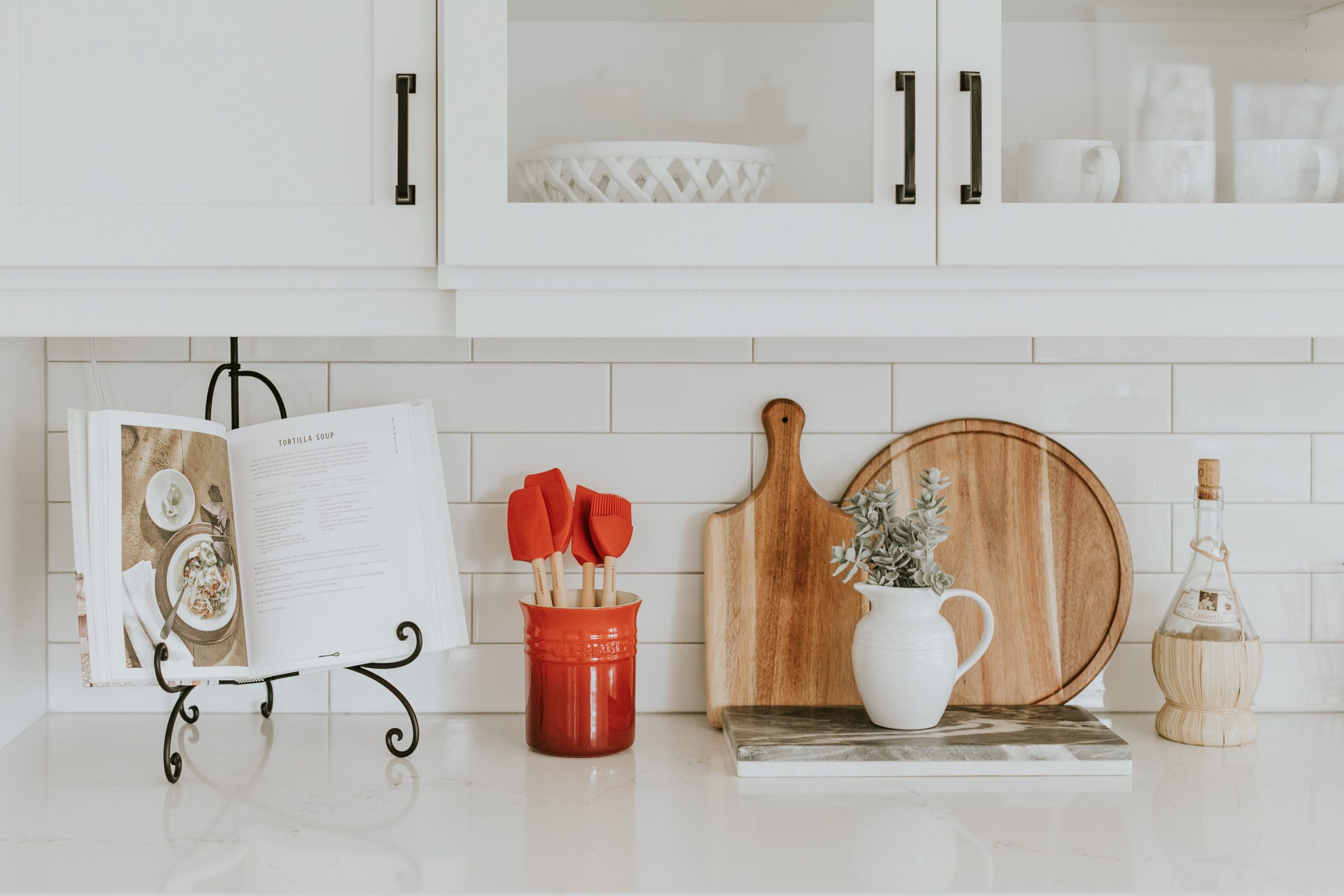
How To Cook In A Small Kitchen

Uncategorized 25 August 2025

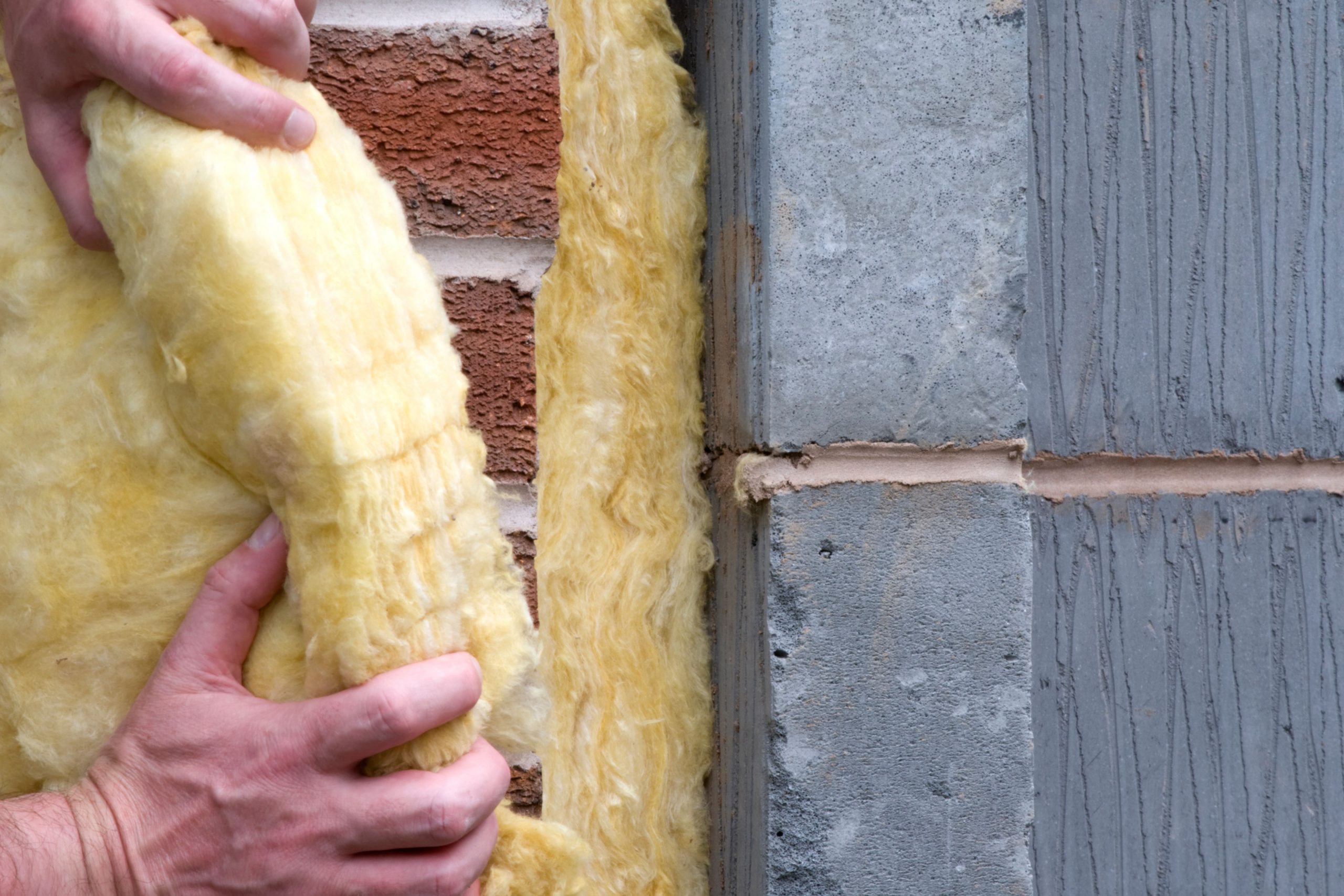
The Power Of Steam Cleaning

Uncategorized 28 April 2025

Post #242

Uncategorized 31 March 2025

Life@home

Life@Home – April 2025

How Your Home Might Be Making Your Allergies Worse

It’s that time of year again when your nose stuffs up and your eyes burn even as the weather gets better – allergy season! But if you’ve noticed that your symptoms occur indoors as well, there may be some triggers in your home that you can eliminate to make it a little more comfortable. 


1.Watch out for moisture build up

Was it a particularly rainy winter? Have you experienced recent flooding? Moisture build up could be triggering symptoms if mold has had the chance to take hold somewhere where you can’t see. If you notice yourself getting better while on vacation, this may be the sign that something needs to get checked in your home. 


2.Pet allergies can develop at any time

You may not be aware, but pet allergies can develop over time, even after your fuzzy friend has been in your home for a while! But have no fear, there are ways to manage a pet allergy, but it does require you to be aware that it’s a possibility and see a doctor about getting a test. 


3.When was the last time you changed your sheets?

Dust is the most common allergen and sleeping in it every night can trigger some strong reactions. Consider getting dust-mite proof covers for your pillows, mattresses, and box springs. Wash blankets at least once a week, and switch to synthetic materials instead of wool or feather bedding. 


4.Don’t let dust build up on curtains or blinds

You may not be cleaning your window coverings as often as you should, and they’re a hotspot for dust build up. Consider switching your curtains to easy to wash synthetic fabrics and switch cumbersome blinds to roller type shades which are easier to wash. 


5.Store clutter where it can’t gather dust

You may have games and books properly shelved, but remember that those can be more surfaces for dust to build up on. Remember to give bookshelves a regular once over with a duster, even if it doesn’t immediately look like they need it, and store games and toys in tote bins to keep them protected and your nose free from dust particles. 


Monthly Features


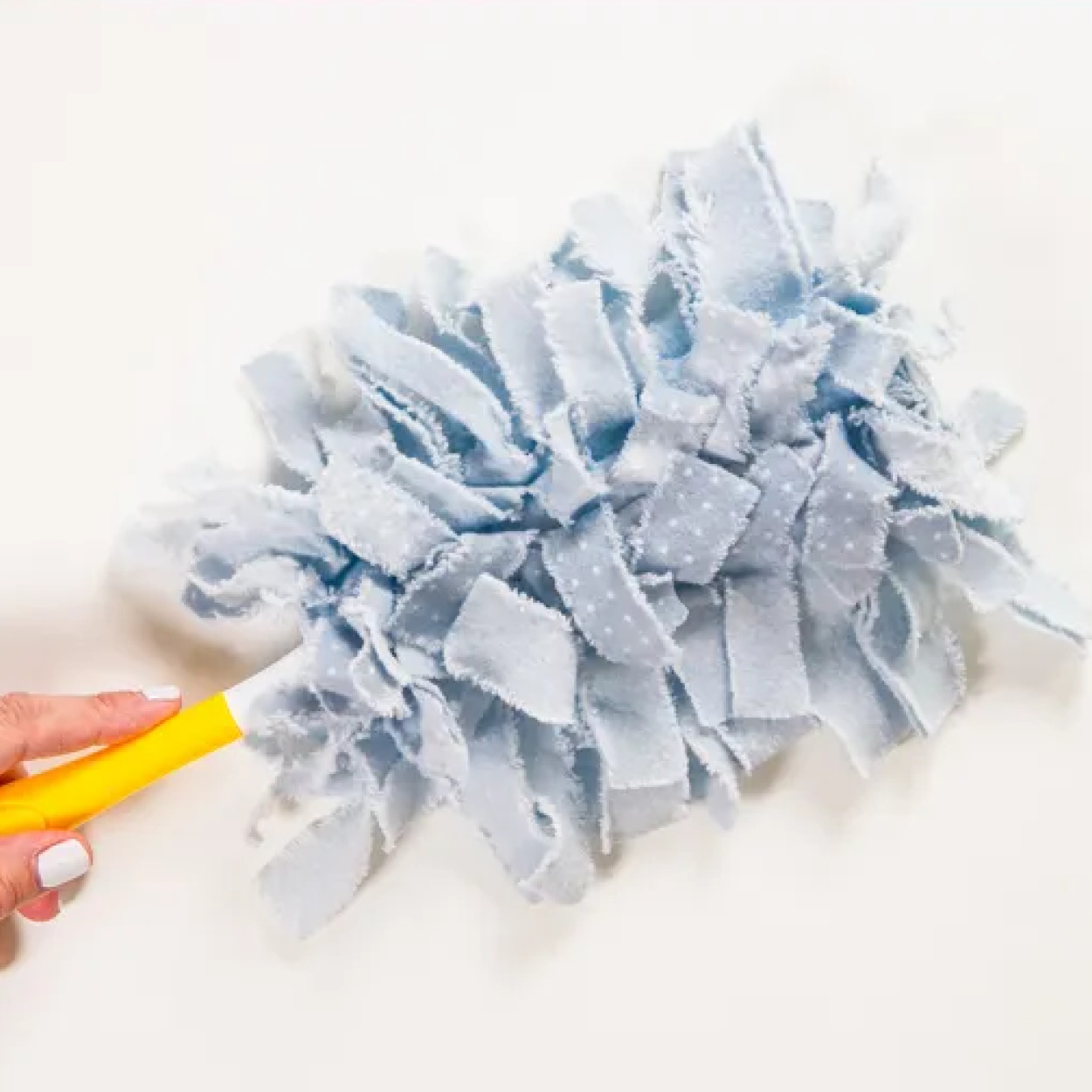
DIY Project: Reusable Swiffer Duster Cloths

Many people have a Swiffer duster in their home, but instead of buying replacement dusters, consider something reusable! 

Get DIY project here

Recipe: Honey Glazed Salmon

For something looks so good, you won’t believe how quickly it comes together! This easy salmon recipe gives you great flavour while enjoying all the benefits of a nutritious main. 

Get recipe here

Uncategorized 10 March 2025

Embrace Native Lawns and Gardens

Embrace Native Lawns and Gardens

Does the upkeep of a traditional green lawn stress you out? Would you like to help the pollinators in your neighbourhood? Consider turning your manicured lawn into a more natural one that embraces the natural biodiversity of your region!

They’re great for pollinators
The best part of using native plants in your lawn is the benefit they provide to pollinators such as bees. They’re a crucial part of the ecosystem and communities around the world are doing their part to help them survive in harsh conditions.

  • They’re a beautiful addition to your property

Perfectly-cut green lawns can look very uninteresting – so why not embrace the beauty of your region’s natural wildlife? You’ll be able to enjoy diverse wildflowers, plant life and with a little bit of work, can create a garden that’s visually stunning in all seasons. 

  • They require less work

It’s not just the weekly mowing that you can say goodbye to! Native plants use less fertilizer as they’re innately suited for the soil in your garden, and they’re made for the climate. Native grasses are better resistant to drought and disease, and all this adds up to less money spent on upkeep.

  • They’re better for the environment

Native gardens are far more efficient at using water than non-native plants, and this conservation can be very necessary during dry summers. No more gas-powered mowers mean fewer carbon emissions, and having to do away with pesticides and fertilizers will benefit not only the environment, but any pets or wildlife that may be near your property. 

  • You have some options on what kind of garden you want to create

Just because you’re letting nature run its course doesn’t mean you don’t get to curate a beautiful garden to be proud of! Do your research on what kind of garden you’d like to have – certain native plants can create a sustainable habitat for butterflies. You might focus on plants that provide habitat for wildlife. Or you could choose plants that focus on conserving water, giving you less work in the long run. 

Life at Home 31 January 2025

Are you using area rugs properly?

There’s no better way to bring a room together than to use a rug. It provides comfort, dampens sound, and can easily add a piece of contrast or complement to your decorating scheme. But it’s surprisingly easy to throw off a room when you use them incorrectly – read on to make sure you’re not making these common mistakes.

2_Life@Home_Image_2025_

1. Buying the wrong size

The most common and easiest mistake – getting the wrong size! Homeowners can be guilty of guessing that the size of rug that fits their needs while they’re in the store, so the best thing to do is to measure out exactly what you need and let that start your search.

2_Life@Home_Image_2025_2

2. Choosing the wrong placement

Location, location, location! The best use of an area rug is to define an area, so be wary of going too small or too big. Think of what a space would be like when separated by walls and use those barriers as guidelines for how big your rugs should be. It helps create division in an open concept floor plan so that you get all the benefits of open flow without feeling like your space is cluttered.

2_Life@Home_Image_2025_3

3. Not using rug pads

Rugs can easily pose a hazard if they’re slipping and sliding all over the floor, and you don’t want to get injured. Rug pads cut down on the movement of a rug while also elongating their lifespan and adding extra cushion on your feet.

2_Life@Home_Image_2025_4

4. Choosing the wrong fabric

What’s comfortable in the living room might be a nightmare cleaning situation in the kitchen, so choose the correct rugs for each room of your house! Polypropylene rugs are durable and easy to clean, making them perfect for kitchens and high traffic areas. High pile rugs provide the comfort needed in bedrooms and living spaces, especially if you’ve got little ones who make frequent tumbles.

2_Life@Home_Image_2025_5

5. Going too long without cleaning

Don’t let grime build up on your rugs unless you’re in the business of viral Facebook videos. Give your rugs a wash with the rest of your spring cleaning and pay close attention to the cleaning instructions on the tag – it’ll make your rugs last longer and provide maximum comfort.

Life at Home 16 December 2024

Ideas For a Pet Friendly Home

unnamed

We all love our four-legged friends, and we want to be sure our home is their home too! There are a lot of things you can do to make sure your home is a paradise for your furry family members, so read on for some options that you might want to consider showing them how much they mean to you.

unnamed (1)
  1. Set up pet stairs for your elderly cats and dogs

When your pets become advanced in age, it can be hard for them to climb up onto a favourite chair or bed, and you want them to be as comfortable as possible. Invest in a small set of ‘pet stairs’ that you can place near a higher surface and give them a hand getting up.

unnamed (2)
  1. Install cat shelves to help them get high

Cats have a natural instinct to climb high, so help them out with well-placed shelves that give them a clear path up. It’ll keep them engaged mentally and physically during the day, but be careful about anything you might place on those shelves!

unnamed (3)
  1. Set up a sunny spot for them to relax in

If you’ve ever felt how nice it feels to relax in the sun, you’ll know why your cats and dogs like to take a nap each afternoon in a sunny spot. Make this experience more comfortable for them by finding the spot where the sun hits each day and setting up a comfortable bed for them to get some rest.

unnamed (4)
  1. Watch out for those cupboards!

You often think of baby-proofing cabinets, but pets can be surprisingly dexterous! Think about what low cupboards they might be able to nose their way into and consider if there are any harmful materials in them. You might want to ensure that any cleaning agents are safely out of the way, and maybe think about getting pet food containers with lids you need a pair of thumbs to open.

unnamed (6)
  1. Think about your floors

You might not think about how much time your pets spend close to the floor, but it can make a huge difference in their comfort. This is especially true in the summer when hardwood or tile floors can help pets cool down when the temperatures rise. Be mindful of how slippery your floor is, you don’t want to call your dog and have them slide into a wall!